
The Geopolitical Implications of the 2026 FIFA World Cup: A Tri-National Hosting and Its Ramifications for Global Diplomacy
Wednesday, 17. December 2025
Hamid Ali M.
Mega-sporting events like the FIFA World Cup function as global stages for nation-branding, economic signaling, and soft power maneuvers, yet they invariably reveal entrenched inequalities, governance frictions, and emergent security-economic nexuses. The 2026 edition, unfolding from June 11 to July 19 across the United States, Mexico, and Canada, pioneers a tri-national format with 48 teams and 104 matches spanning across 16 cities. This unprecedented scale intensifies scrutiny over power asymmetries, normative dissonances, and diplomatic undercurrents. This analysis adopts a normative lens, situating the tournament within hegemonic dynamics, regional hierarchies, and middle-power strategies, while foregrounding policy implications for security practitioners and diplomats.
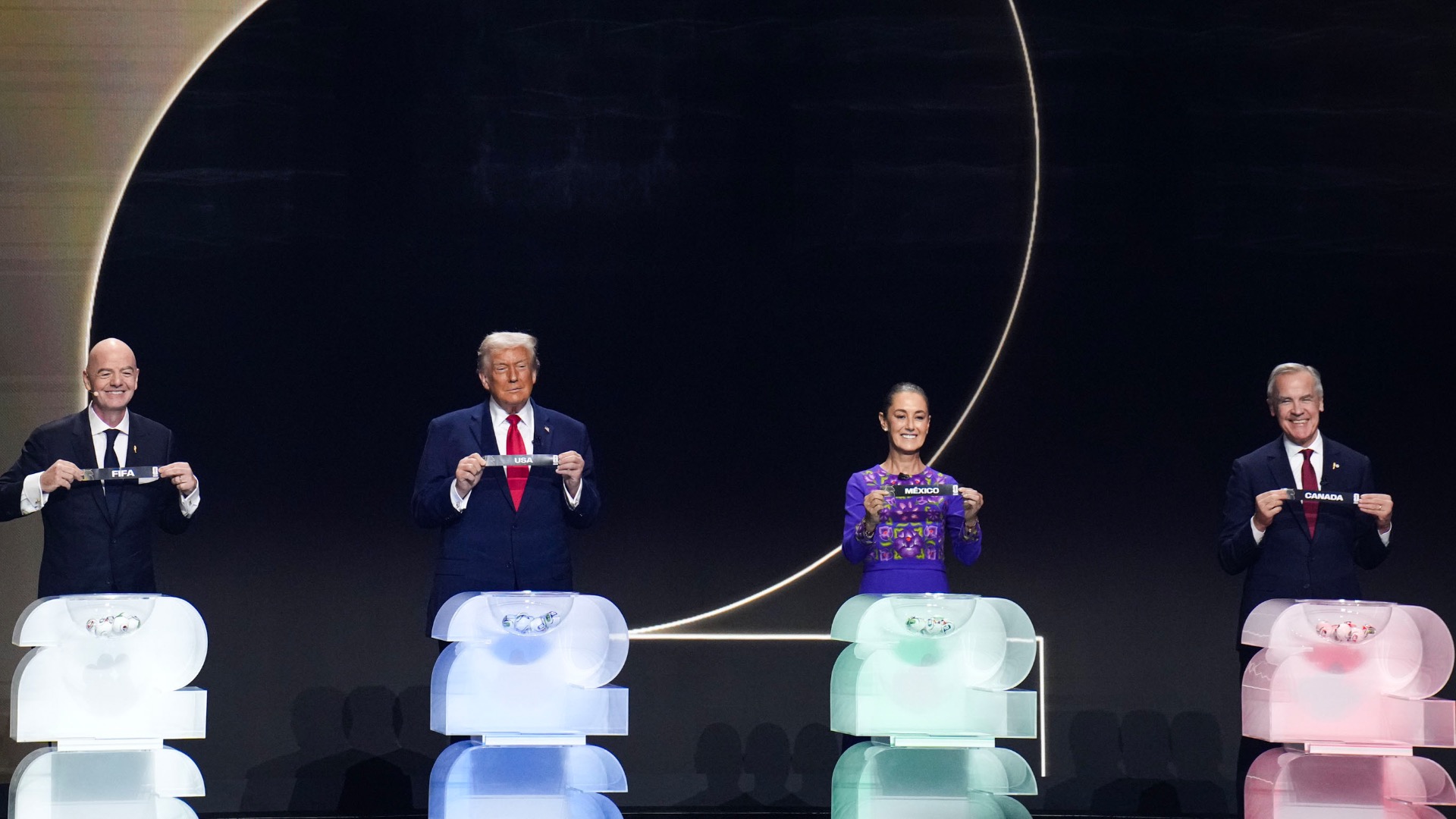
United States: Hegemonic Assertion and Exclusionary Commercialism
The United States anchors the event with 11 host cities, culminating at MetLife Stadium for the final and featuring AT&T Stadium for the semi-finals, thereby amplifying its commercial and cultural hegemony. Tourism inflows, media rights, and urban revitalization promise substantial revenues, aligning with broader U.S. market-driven sporting paradigms that prioritize revenue maximization. However, this approach engenders soft critiques: preliminary hotel surges exceeding 300% in host cities like New York and Los Angeles exacerbate local affordability crises, mirroring mega-event patterns where short-term booms yield uneven wealth distribution and displace vulnerable communities.
Ticketing dynamics further illuminate tensions between global commerce and fan equity. FIFA’s dynamic pricing model inflates high-demand seats into the thousands, with a nominal $60 Supporter Entry Tier dismissed as tokenistic amid resale markups and corporate allocations. This commercial tilt contrasts sharply with egalitarian football traditions elsewhere, subtly eroding the tournament’s universal appeal while inviting normative backlash on inclusivity. Security preparations, bolstered by $625 million in federal funding, intersect with domestic politics, immigration restrictions, and protest risks in polarized venues, thus potentially alienating international audiences and complicating U.S. soft power projections.
Mexico: Symbolic Resonance Amid Peripheral Constraints
Mexico’s hosting, which is limited to three venues in Mexico City, Monterrey, and Guadalajara, with Estadio Azteca’s opening match, carries profound symbolic freight, evoking its 1970 and 1986 legacies to assert cultural centrality in global football. Yet structural disparities dwarf these gains: U.S. dominance in venues and matches underscores North-South imbalances, challenging tripartite parity narratives within the USMCA framework. Here, the World Cup amplifies debates about economic spillovers versus social costs, where projected tourism and foreign direct investment through major sporting spectacles promise local growth, but long-term urban benefits remain contested, thus revealing inflated promises against persistent inequality, infrastructure debt, and security strains in less-resourced partners.
Sociopolitical headwinds further amplify these constraints. Public security concerns also intersect with economic inequality, risking heightened policing and displacement without addressing root governance deficits. The spectacle could become a platform for soft power projection, yet the political leverage gained from hosting, as a less affluent partner, remains limited by external commercial dynamics. In essence, FIFA’s revenue imperatives and institutional asymmetries position Mexico as a peripheral adjunct rather than a coequal.
Canada: Middle-Power Norms in a Constrained Arena
Canada’s modest allocation, i.e., two venues in Vancouver and Toronto, embodies middle-power norm entrepreneurship, emphasizing multiculturalism, indigenous reconciliation, and sustainability rhetoric to differentiate from U.S. commercialism. This aligns with Ottawa’s multilateral posture, leveraging the event for human rights signaling and inclusive branding. Nonetheless, practical frictions emerge: civil society critiques over land consultations, affordability protests, and fiscal burdens question the prestige calculus, echoing global mega-event litanies of opportunity costs outstripping legacies.
U.S.-centric tensions strain collaborative facades. Tariff rhetoric and border securitization under the current administration test USMCA cohesion, while smaller-scale hosting limits Canada’s normative imprint. This bind illustrates middle powers‘ perennial challenge: pursuing principled diplomacy amid hegemonic imbalances, where soft power yields prove contingent on larger partners‘ agendas.
Cross-Cutting Dynamics: Hierarchies, Risks, and Normative Gaps
The tri-national model exposes interlocking fault lines pertinent to international relations, where economic disparities and commercial excesses prevail. The ticket price escalations for final matches are rivaling luxury goods, thus favouring elitism and affluent spectators over grassroots fans, thus perpetuating wealth chasms in host societies. Security-economic intersections further compound these issues, as mass migration flows and protest potentials demand tricontinental coordination, yet U.S. unilateralism risks politicising neutral sporting space through visa leverages against geopolitical rivals, potentially disrupting fan mobility and heightening diplomatic tensions.
Regional hierarchies and symbolic politics also emerge via venue asymmetries that reinforce U.S. primacy, diluting partners‘ agency and framing the event as a hegemonic showcase rather than an equitable venture within the USMCA framework. Normative tensions in global governance intensify as debates on access, sustainability, and equity collide with multilateral sport diplomacy, where FIFA’s opacity undermines calls for standardised inclusivity protocols, exposing contradictions in mega-event oversight.
Policy Imperatives for Diplomatic Reframing
FIFA and hosts should institutionalise access mechanisms by enforcing minimum local/low-income ticket quotas, capping dynamic pricing, and curbing resale commissions to reconcile commerce with equity norms, informed by precedents from prior global spectacles. USMCA mechanisms could harmonise security frameworks via joint cyber and border protocols, mitigating migration politicisation and protest escalations through shared intelligence to preserve the event’s tricontinental cohesion.
G20 or UN Sport for Development forums ought to advance multilateral standards by codifying mega-event guidelines on sustainability, data transparency, and indigenous consultations, thereby elevating normative benchmarks from reactive to proactive governance. Post-event audits across all three host countries would help measure the benefits against the costs, guide future bids, and ensure that mega-events promote fair regional cooperation and accountable decision-making.
Conclusion:
In essence, the 2026 FIFA World Cup is more than a sporting event; it acts as a geopolitical lens, revealing power imbalances, structural inequalities, and normative tensions across North America. The United States’ market-driven dominance risks alienating global fans through high ticket prices and heightened security measures. Mexico’s symbolic role is constrained by historical and economic asymmetries, while Canada’s middle-power ambitions face fiscal and logistical limits. The tri-national format exposes these fault lines within USMCA cooperation and broader global governance.
Policymakers and diplomats can benefit by viewing mega-events not just as prestige projects, but as opportunities to negotiate fairness, security, and multilateral collaboration. Without careful planning, short-term commercial gains may overshadow lasting diplomatic and social impacts, reinforcing the very hierarchies these events aim to bridge.

The World in Focus: Highlights from Foreign Affairs’ Best Books of 2025
19. Dezember 2025

2025: A World Without Resolution
15. Dezember 2025
The U.S.-Venezuela Limited War of 2025: A Legal and Strategic Assessment
12. Dezember 2025