A Dawn of Shock and Firepower
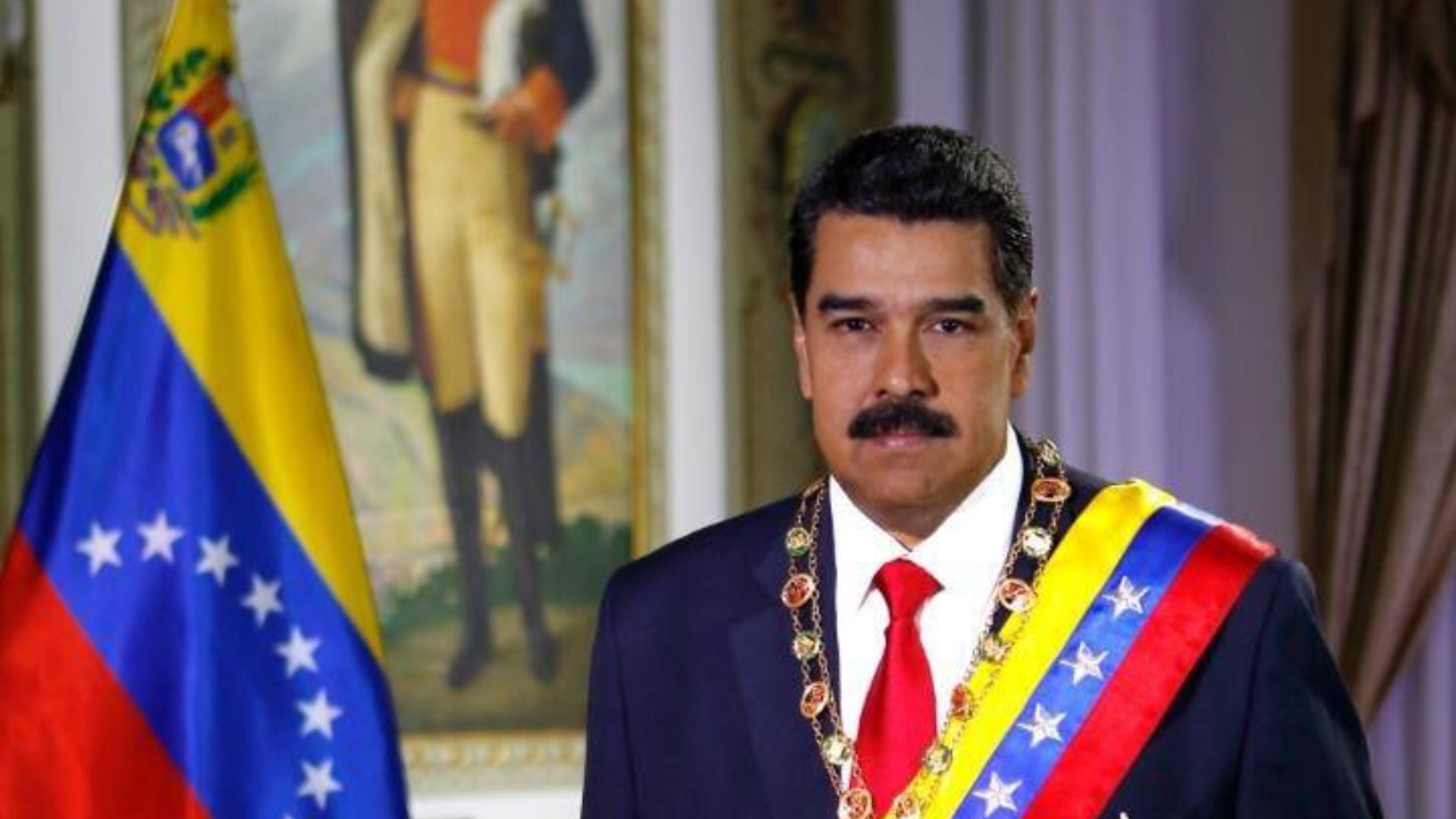
The early hours of January 3 marked a seismic rupture. In a lightning strike, U.S. Delta Force units captured Maduro and his wife, Cilia Flores, following precision bombings of military installations in Caracas and command centers in Miranda and La Guaira. The CIA-orchestrated operation left at least 80 dead, according to The New York Times. Maduro now faces narcoterrorism and arms-trafficking charges in a New York court.
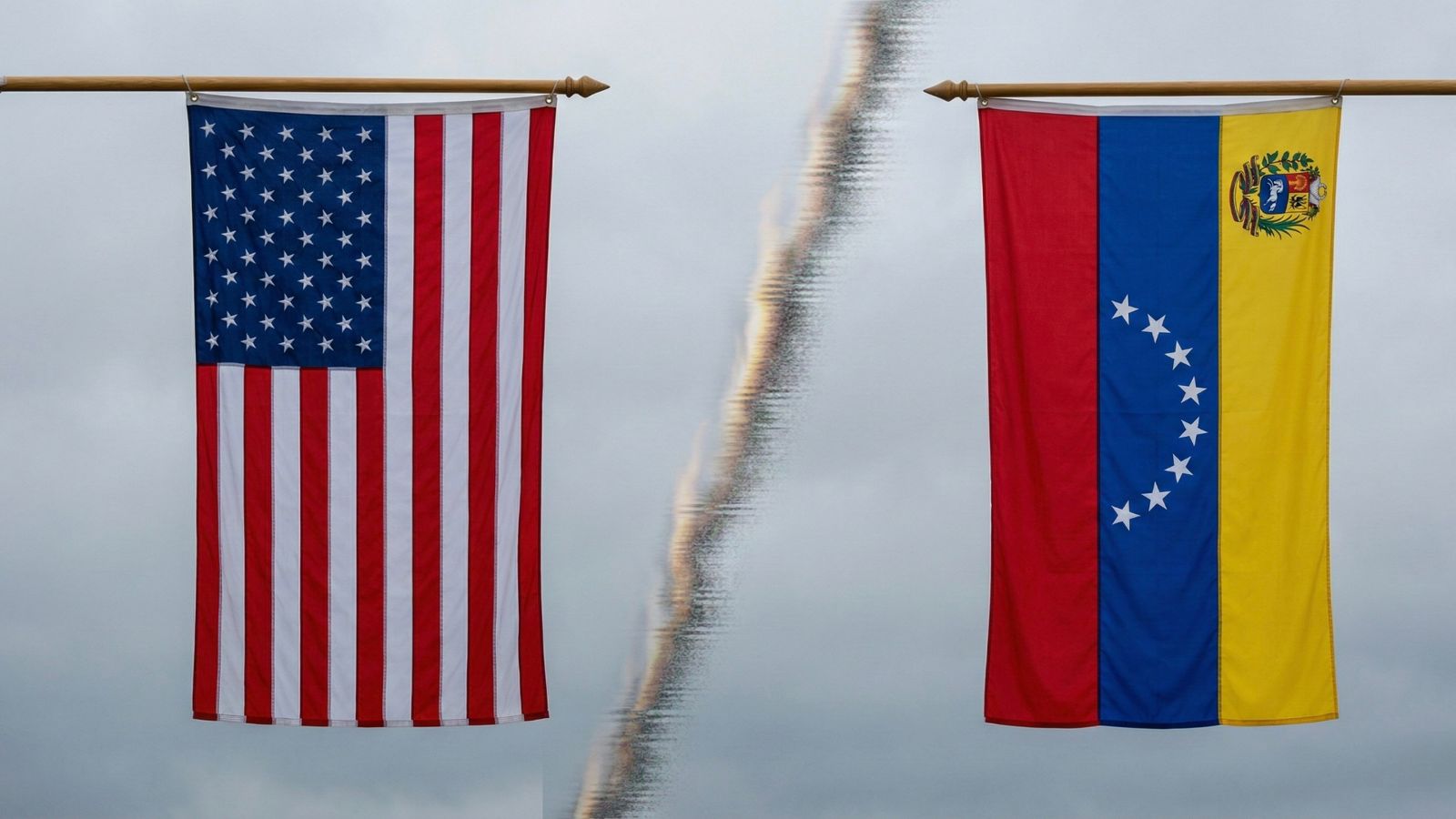
President Donald Trump’s announcement was as blunt as it was disruptive: the United States will “run” Venezuela’s destiny until further notice. For now, formal power rests with Rodríguez and Defense Minister Vladimir Padrino—both tasked with proving loyalty to Washington under what Secretary of State Marco Rubio calls “the quarantine”: U.S. warships and an aircraft carrier stationed in the Caribbean, and American control over Venezuela’s oil exports.
From Anti-Drug Narrative to Regime Change
This intervention crowns an escalation that began in September 2025 under “Operation Southern Spear,” ostensibly aimed at narcotrafficking. Images of attacks on alleged drug boats—even in Colombian waters—fueled suspicions of a broader goal: Maduro’s ouster. The fentanyl pretext lacked hard evidence; the anti-drug narrative gave way to geopolitical reality—a regime change in the nation holding the world’s largest proven oil reserves.
Trump has been candid about the economic calculus. Venezuela accounts for 17% of global reserves, per OPEC. He vowed that Venezuelan oil will “pay for” the operation and promised U.S. corporations “billions” in investments to rehabilitate the country’s energy infrastructure. Democracy, it seems, is not the only priority in times of “America First.“
Legal Fault Lines and Strategic Shockwaves
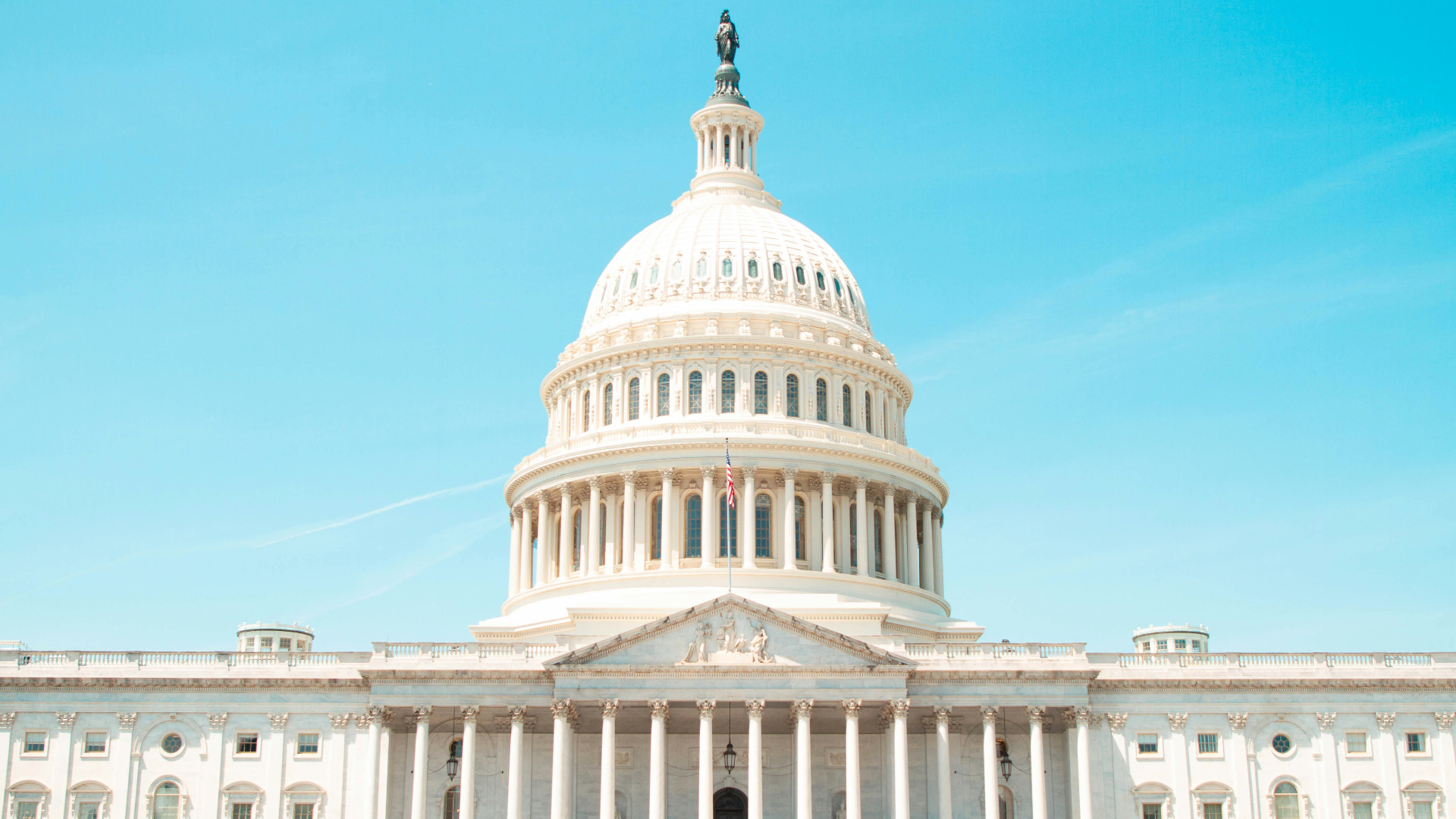
The strike bypassed congressional notification, despite prior assurances tying ground deployments to legislative approval. Internationally, it strains Article 2 of the U.N. Charter, which forbids force except in self-defense or with Security Council consent. Framing the intervention as “hemispheric security” revives the Monroe Doctrine under a Trumpian corollary: U.S. primacy in the Western Hemisphere—“by any means.” A principle enshrined in America’s new security strategy, unveiled last December, unsettling not only Latin America but also Europe, now excluded from the so-called “Core 5” of economic powers: the U.S., China, Russia, India, and Japan.
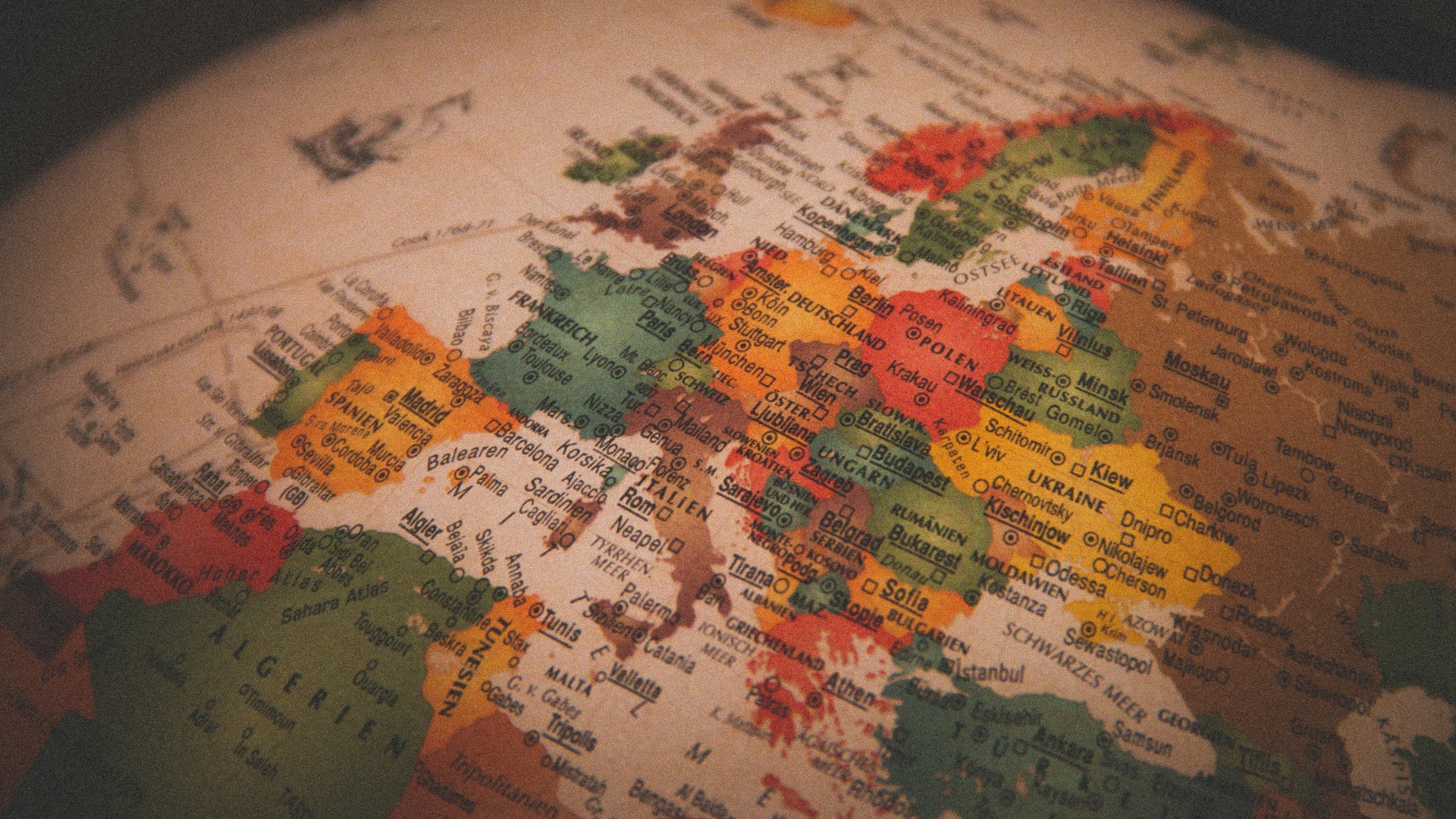
European capitals are rattled. If Washington can seize Venezuela under the banner of regional security, what stops it from targeting other strategic territories—say, Greenland? The question reverberates from Nuuk to Berlin, against the backdrop of a war in Ukraine already eroding multilateral norms. Pragmatism and transactional politics now threaten to hollow out international law as a bulwark against war.
Three Scenarios for Venezuela—and the World
Diplomatic circles foresee three possible paths:
- Managed Transition: Rodríguez and the military align with Washington, which governs de facto, while securing energy investments.
- Military Escalation: Internal resistance triggers further strikes, spiraling into chaos and a humanitarian crisis—with U.S. midterm politics looming large.
- Verified Elections: The most stable yet elusive option, requiring opposition inclusion and international oversight.
For now, the opposition is sidelined. María Corina Machado—recent Nobel Peace laureate for her defense of democratic tools as instruments of peace—was not invited to the table. Trump dismissed her as “nice” but lacking “control or respect,” ignoring her pivotal role in the contested 2024 opposition victory Maduro denied.
Maduro’s capture has not solved Venezuela’s dilemma; it has merely shifted the axis of power and ushered in an era ruled by force. Whether this moment becomes stabilization or stagnation hinges on three variables: legality, inclusion, and oil. Without a credible roadmap, Venezuela risks entrapment in an indefinite foreign administration—and the international system, a precedent that privileges raw power over the rule of law.