The US-Venezuela Standoff: A Geopolitical Flashpoint in the Western Hemisphere
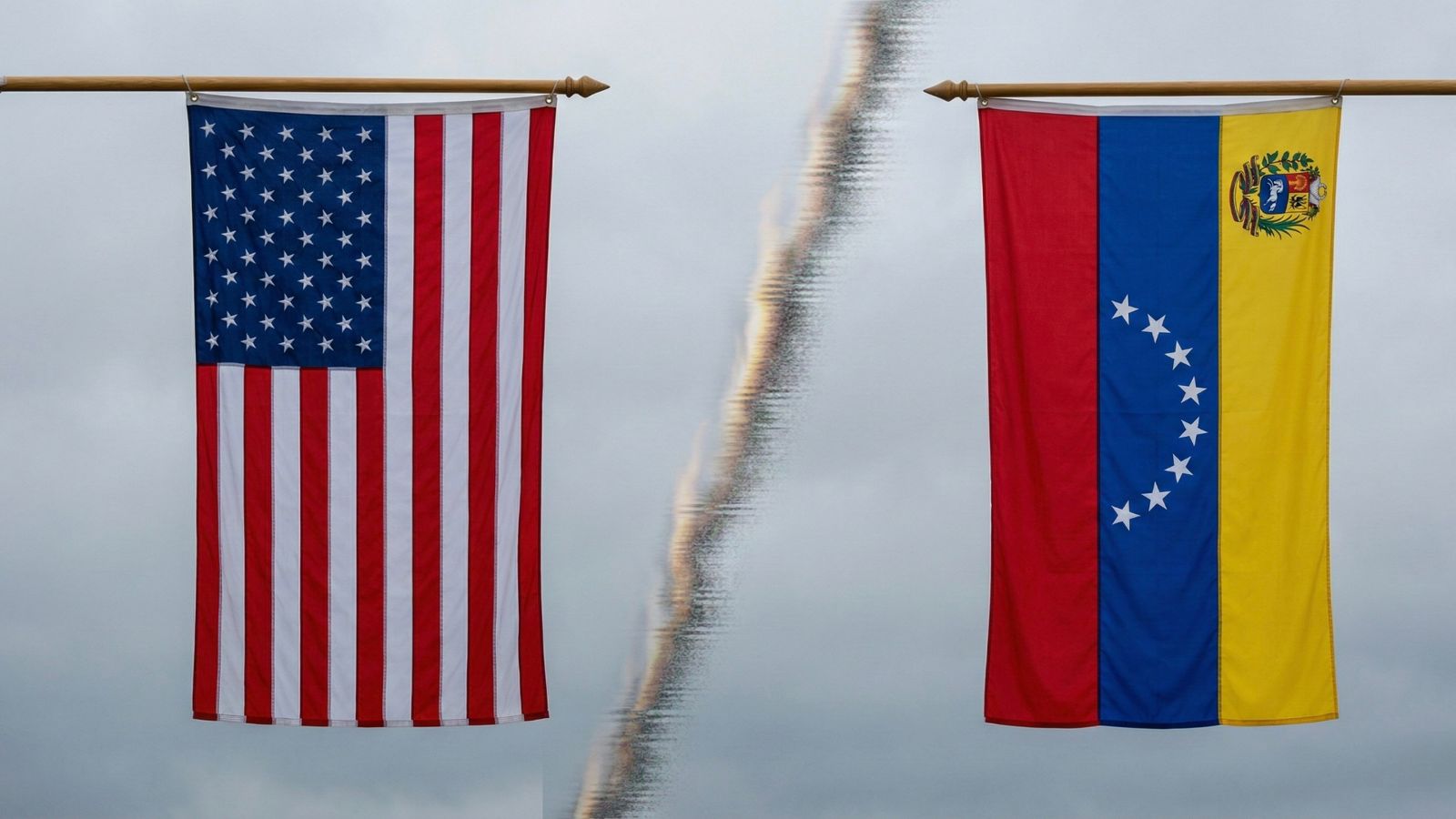
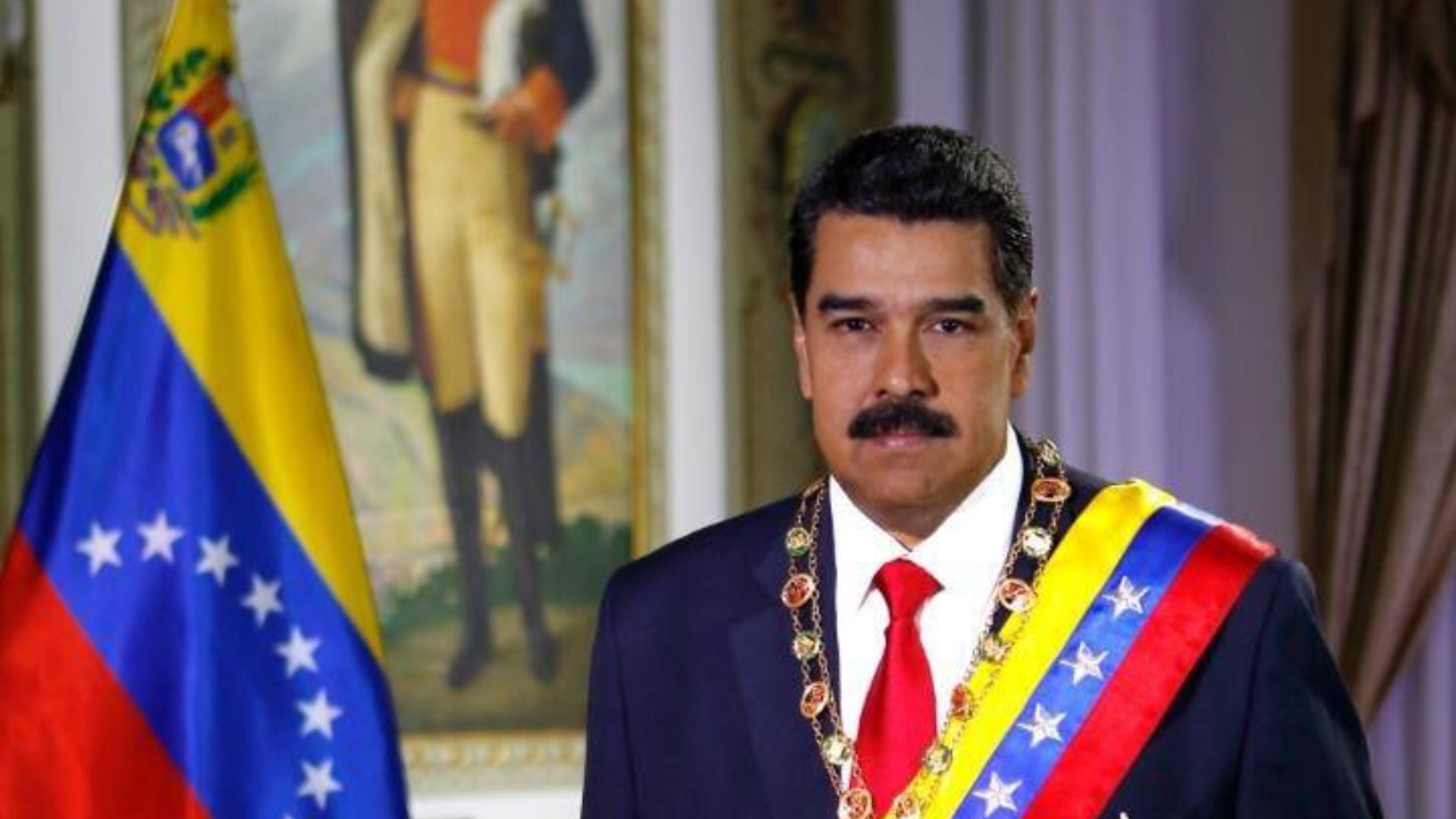
The intensifying confrontation between the United States and Venezuela under President Donald Trump’s second administration exemplifies a resurgence of hemispheric power projection amid global multipolarity. Marked by the deployment of the USS Gerald R. Ford carrier strike group and over 15,000 U.S. troops in the Caribbean, this crisis carries profound risks of escalation, energy market disruption, and regional instability. As Nicolás Maduro’s regime entrenches itself with support from Russia and China, the standoff tests the tenets of the U.S. „peace through strength“ doctrine while exposing vulnerabilities in international norms governing regime change and sanctions enforcement.
Escalation Dynamics and Timeline
Tensions escalated rapidly following Trump’s inauguration in January 2025. The administration revoked Temporary Protected Status (TPS) for Venezuelan migrants, terminated oil concessions, and imposed secondary tariffs on third-party buyers of Venezuelan crude, effectively tightening the sanctions regime inherited from prior years. Maduro’s bounty was doubled to $50 million, framing him as a narco-terrorist enabler, while Tren de Aragua – a Venezuelan gang – was designated a foreign terrorist organization.
By November, Venezuela responded with the mobilization of 200,000 troops along its borders and in the Caribbean, coinciding with the arrival of U.S. naval assets, including the USS Gerald R. Ford. A pivotal November 21 telephone ultimatum from Trump demanded Maduro’s resignation or faced military consequences, met with counter-demands for amnesty and the cessation of „illegal“ sanctions. Subsequent U.S. precision strikes targeted alleged narco – terrorist infrastructure, resulting in over 80 deaths and prompting international war crimes investigations, further inflaming rhetoric on both sides. Deportation flights to Venezuela halted, exacerbating U.S. domestic migration pressures.
This sequence mirrors historical U.S. interventions in Latin America, yet diverges through its overt naval posturing and integration of economic coercion with military signaling.
Strategic and Geopolitical Implications
The crisis underscores a contest for dominance in the U.S.’s traditional sphere of influence, where Maduro’s alignment with revisionist powers challenges Washington’s Monroe Doctrine-inspired prerogatives. Russia provides military advisors and S-400 systems, while China facilitates oil trade circumvention via shadow fleets, sustaining Caracas’s economy despite output curtailed to under 800,000 barrels per day. Such external backing complicates U.S. calculations, potentially transforming a bilateral dispute into a proxy confrontation reminiscent of Cold War dynamics in the Americas.
For the United States, success hinges on isolating Maduro without broader entanglement, particularly as Defense Secretary Pete Hegseth faces Senate scrutiny over force readiness. Failure risks emboldening adversaries globally – from Havana’s residual influence to Beijing’s Belt and Road inroads across Latin America. Europe, meanwhile, confronts spillover effects: heightened Venezuelan migration strains Mediterranean routes, while energy volatility threatens post-Ukraine diversification efforts.
Institutionally, the standoff probes the limits of international law. U.S. strikes invoke Article 51 self-defense claims against transnational threats, yet provoke accusations of aggression under UN Charter principles. The bounty on Maduro raises ethical questions about personalized coercion in statecraft, paralleling debates over targeted killings in counterterrorism.
Economic Ramifications and Global Linkages
Venezuela’s vast reserves—proven at 303 billion barrels—position it as a pivotal actor in global energy markets, where disruptions could propel Brent crude above $100 per barrel. Sanctions have already halved output from 2019 peaks, but escalation might shutter remaining fields, compounding OPEC+ challenges amid slowing Chinese demand and U.S. shale resilience. Transatlantic trade faces collateral damage: European refiners, reliant on discounted Venezuelan heavy crude, confront higher input costs, exacerbating inflationary pressures in a fragile recovery.
Broader fiscal strains emerge. U.S. tariff expansions on sanctioned oil echo protectionist impulses toward China and Russia, potentially fragmenting global commodity chains. For Berlin policymakers, this underscores the interdependence of hemispheric stability and Eurasian security: Venezuelan chaos could divert NATO resources from Ukraine while inflating energy bills for German industry.
Policy Recommendations and Transatlantic Coordination
To mitigate risks, Washington should prioritize multilateral diplomacy, leveraging the Rio Group and OAS for pressure while offering calibrated incentives for democratic transition. Europe holds leverage through targeted sanctions alignment and humanitarian corridors, countering Russian disinformation narratives.
For EU diplomats, the crisis demands a unified stance: enhancing sanctions enforcement through Eurojust and supporting UN investigations into strikes, thereby preserving normative credibility. Berlin, as a hub for migration and energy, can champion Track II dialogues involving civil society to avert refugee surges paralleling the fallout from Syria’s conflict.
In conclusion, the US-Venezuela standoff heralds a volatile era of great-power competition in the Americas, where miscalculation imperils global stability. Transatlantic solidarity—rooted in shared stakes for energy security and democratic norms—offers the surest path to de-escalation. Policymakers must act decisively to forestall a hemispheric crisis with worldwide reverberations.
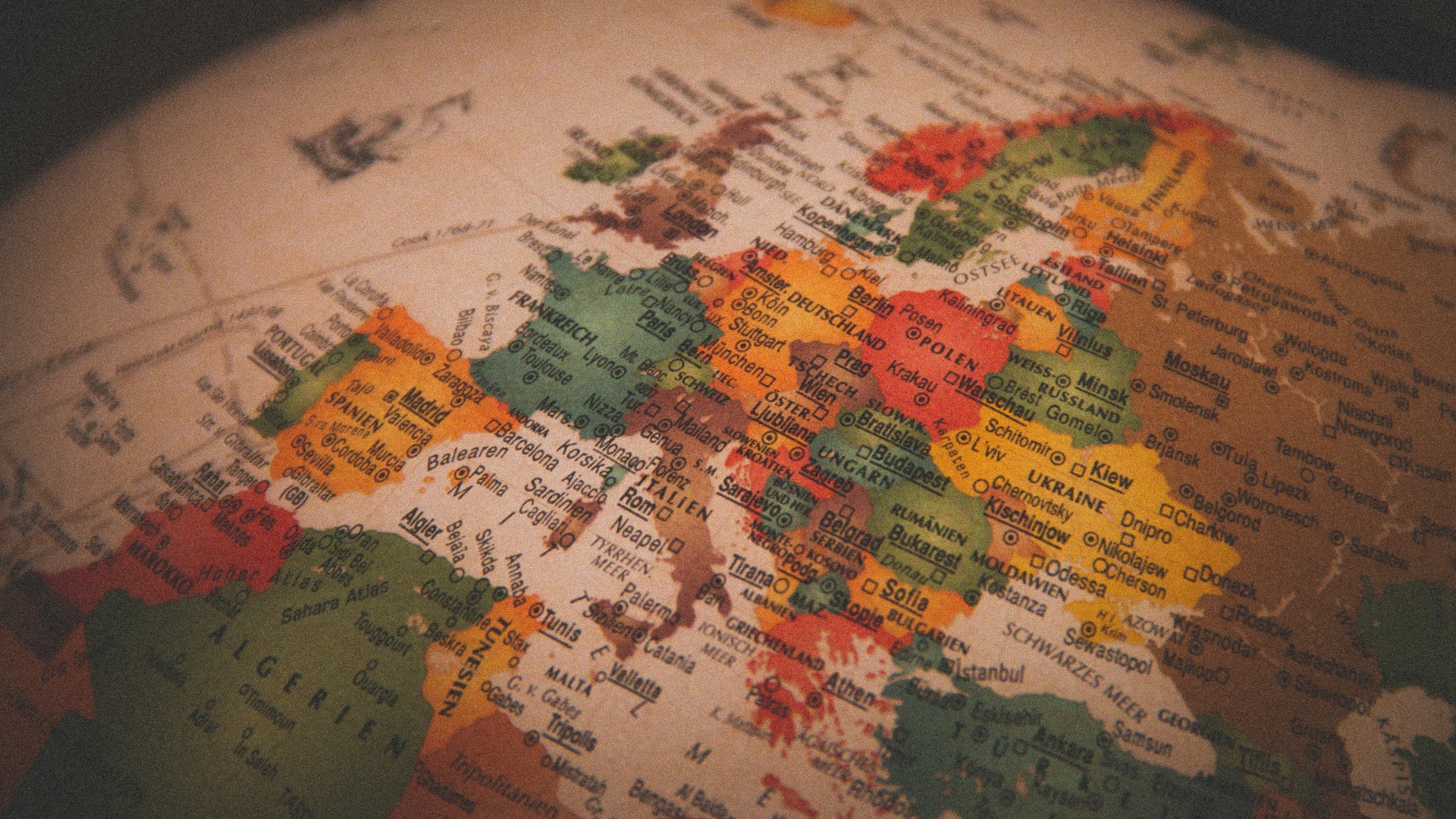
Photo: Caleb Perez on Unsplash


2025: A World Without Resolution

The U.S.-Venezuela Limited War of 2025: A Legal and Strategic Assessment