November 4, 2025
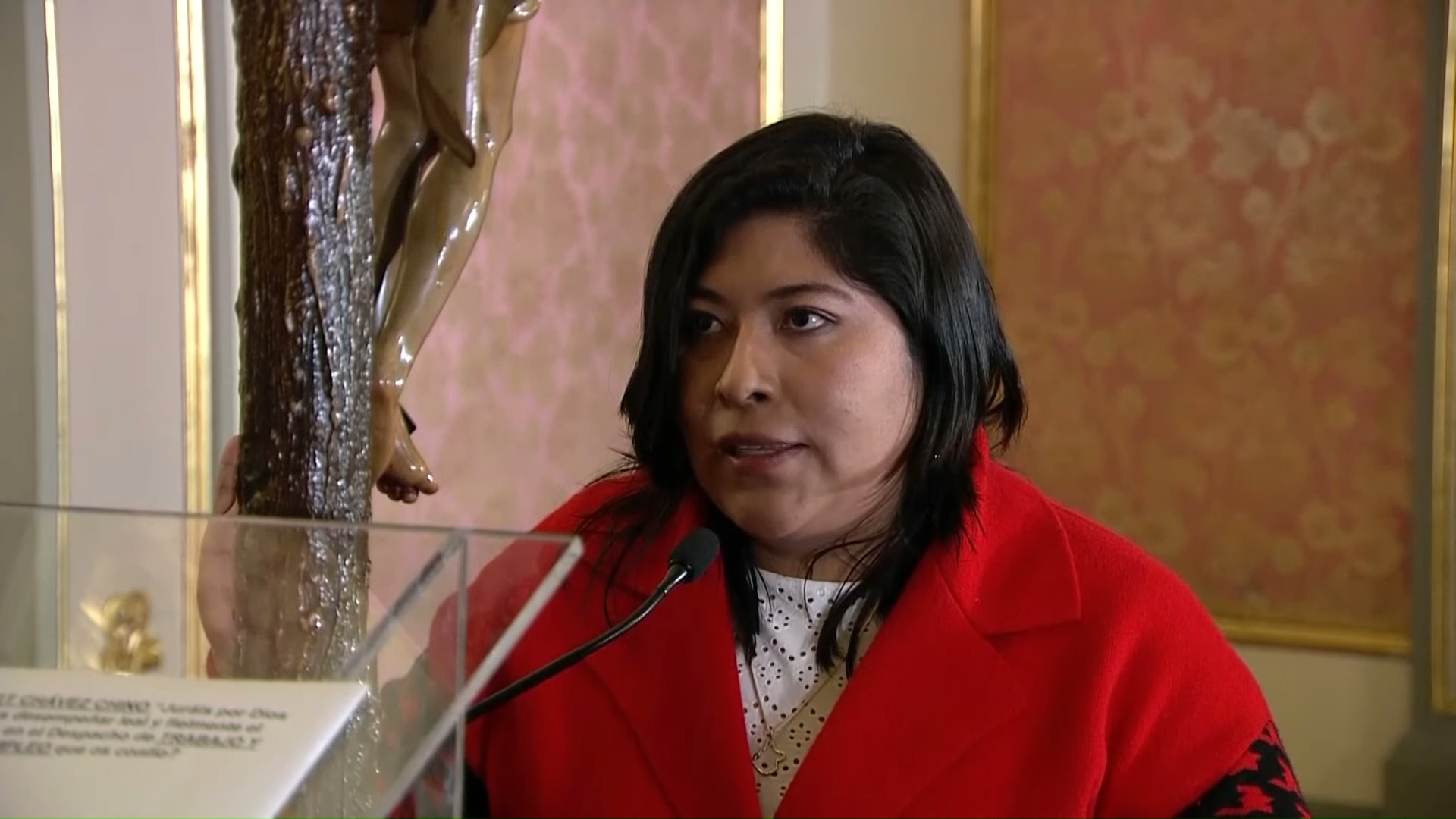
Peru has officially severed diplomatic relations with Mexico after the Mexican government granted asylum to former Peruvian Prime Minister Betssy Chavez, who is facing charges of rebellion and conspiracy against the state. Peruvian Foreign Minister Hugo de Zela called the decision an “unfriendly act,” accusing Mexico of repeated interference in Peru’s internal affairs. Chavez, who served under former President Pedro Castillo, is accused of participating in his failed 2022 attempt to dissolve Parliament and declare a state of emergency. Castillo, arrested after the alleged coup attempt, remains in custody, while his family resides in Mexico under asylum.
The move marks a sharp escalation in tensions between Lima and Mexico City, underscoring growing divisions in Latin America’s political landscape. Mexican President Claudia Sheinbaum has publicly expressed support for Castillo, describing his ouster as a “coup” and calling for his release. For observers in Europe, particularly Berlin, the diplomatic rift illustrates the fragility of regional governance and the risks of ideological polarization spilling into international relations—an issue with broader implications for trade, migration, and global diplomatic alignments.
Image: „Juramentación de nuevo Gabinete Ministerial 6-22 screenshot – Betssy Chávez“ by Presidencia de la República del Perú, licensed under CC BY 3.0.

Tuesday, November 4, 2025
A newly exposed zero-day vulnerability in the display of LNK files in Microsoft Windows has been actively exploited in cyber-espionage campaigns against European diplomats, according to cybersecurity firm Arctic Wolf.
The flaw, first reported in late August, remains unpatched as Microsoft has not classified it as critical—contrary to assessments by Trend Micro’s Zero Day Initiative (ZDI). Arctic Wolf researchers observed that a China-linked threat group, UNC6384, leveraged the vulnerability in targeted attacks across several European states, including Belgium, Italy, the Netherlands, Serbia, and Hungary, throughout September and October.
The operation began with spear-phishing emails referencing EU Commission meetings, NATO-related workshops, and multilateral coordination events. These messages led victims to malicious URLs, eventually delivering infected LNK files. Once opened, the files exploited the Windows flaw to execute obfuscated PowerShell commands, deploying a multi-stage malware chain that culminated in the installation of PlugX, a well-known remote-access trojan (RAT), through DLL side-loading using legitimate Canon printer utilities.
Arctic Wolf warns that the lack of a Microsoft patch allows this vulnerability to remain exploitable. The firm recommends blocking or restricting the use of .lnk files from unverified sources and disabling automatic shortcut resolution in Windows Explorer across all endpoints.
Security analysts note that the incident highlights the growing sophistication of state-linked cyber espionage targeting diplomatic networks in Europe. If exploitation continues, Microsoft may be forced to reconsider its initial risk assessment.
At present, however, experts argue the situation reflects a worrying trend in what some describe as “security theater”—where acknowledgment outpaces remediation.
Tuesday, October 28, 2025
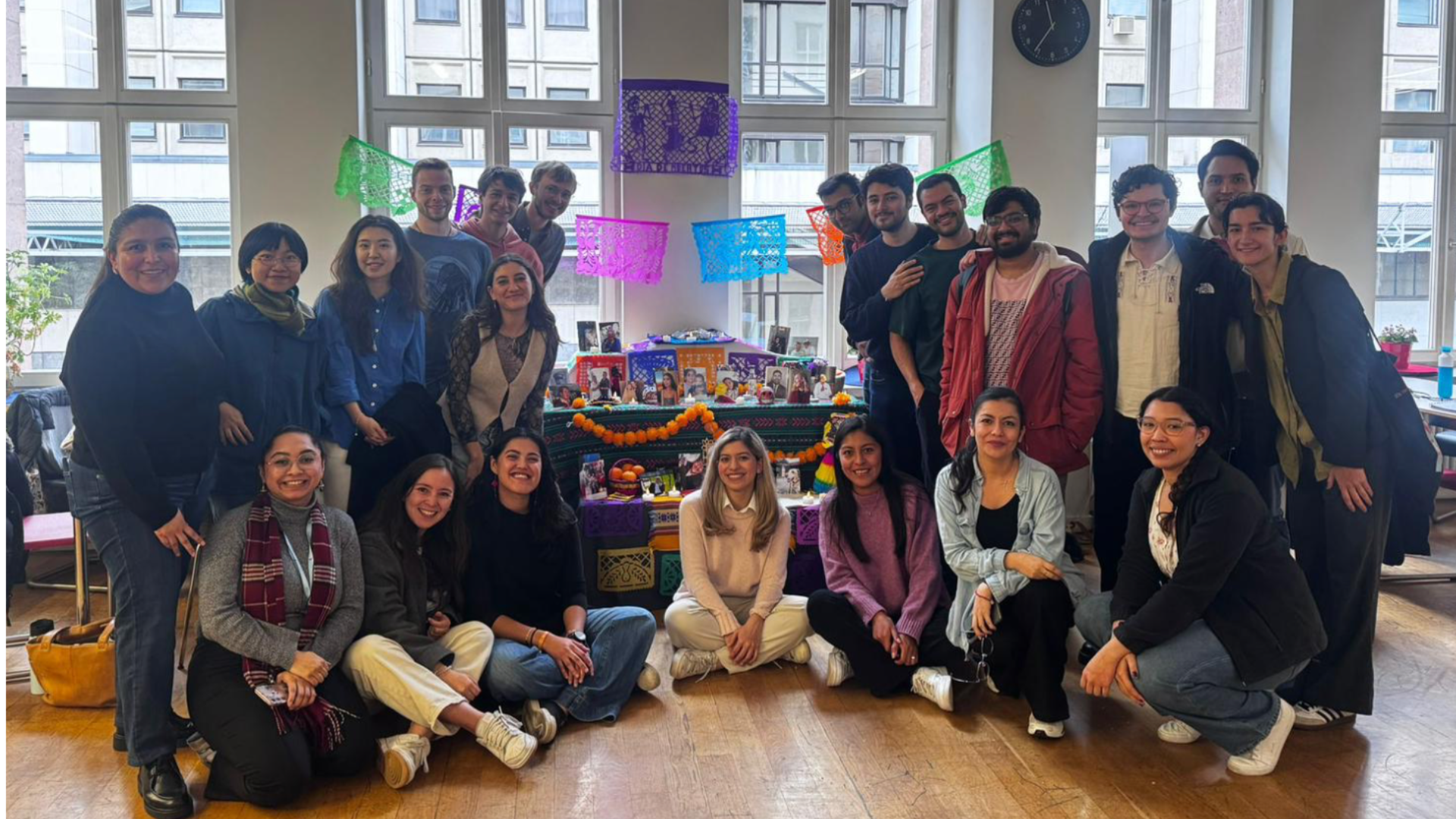
At the Hertie School in Berlin, a leading European hub for public policy and international affairs, students from over ninety countries explore not only global politics but also one another’s cultures. This October, the Hertie Latin America Club (HeLAC) brought Mexico’s Día de Muertos to campus with a traditional altar, or ofrenda, created by Jocelyne Carrillo Herrera together with Carolina Elías Carrillo, Salma Karen Gómez López, and Itzel Estefania Fimbres Huerta.
Celebrated on 1–2 November, Día de Muertos honors loved ones who have passed away, blending pre-Hispanic and Catholic traditions. The Hertie altar, adorned with marigolds, candles, and photographs, invited students to pause and reflect, while visitors also tasted pan de muerto, the sweet bread baked for the occasion.
The event sparked conversations across nationalities, with students sharing stories of remembrance from their own cultures and finding connections in this Mexican tradition of memory and celebration. For its organizers, it was more than a cultural showcase it was a way of building bridges between the world of the living and the departed, and between Berlin and Mexico.
By transforming part of the Hertie campus into a space of light, color, and reflection, the initiative highlighted the school’s commitment to intercultural exchange and the power of tradition to create community across borders.
Wednesday, 15 October 2025
Applications close at midnight for one of the most prestigious unpaid roles in Germany: the position of Honorary Consul of the United Kingdom in Lower Saxony.
According to the British Embassy’s announcement, the post requires an average commitment of just four hours per week. While the role comes with no formal salary—only a modest “annual fee”—it carries significant prestige and represents the British government’s presence in the region.
Candidates are expected to have extensive knowledge of Lower Saxony and a strong local network to advance British interests and assist UK nationals.
The Embassy emphasizes that the Honorary Consul’s activities must not conflict with the interests of His Majesty’s Government.
The appointment is initially for one year, with the possibility of renewal for up to three additional years. In times of crisis, the consul will also act as a point of support for the British Embassy.
Applications are being accepted until 11:59 p.m. tonight.
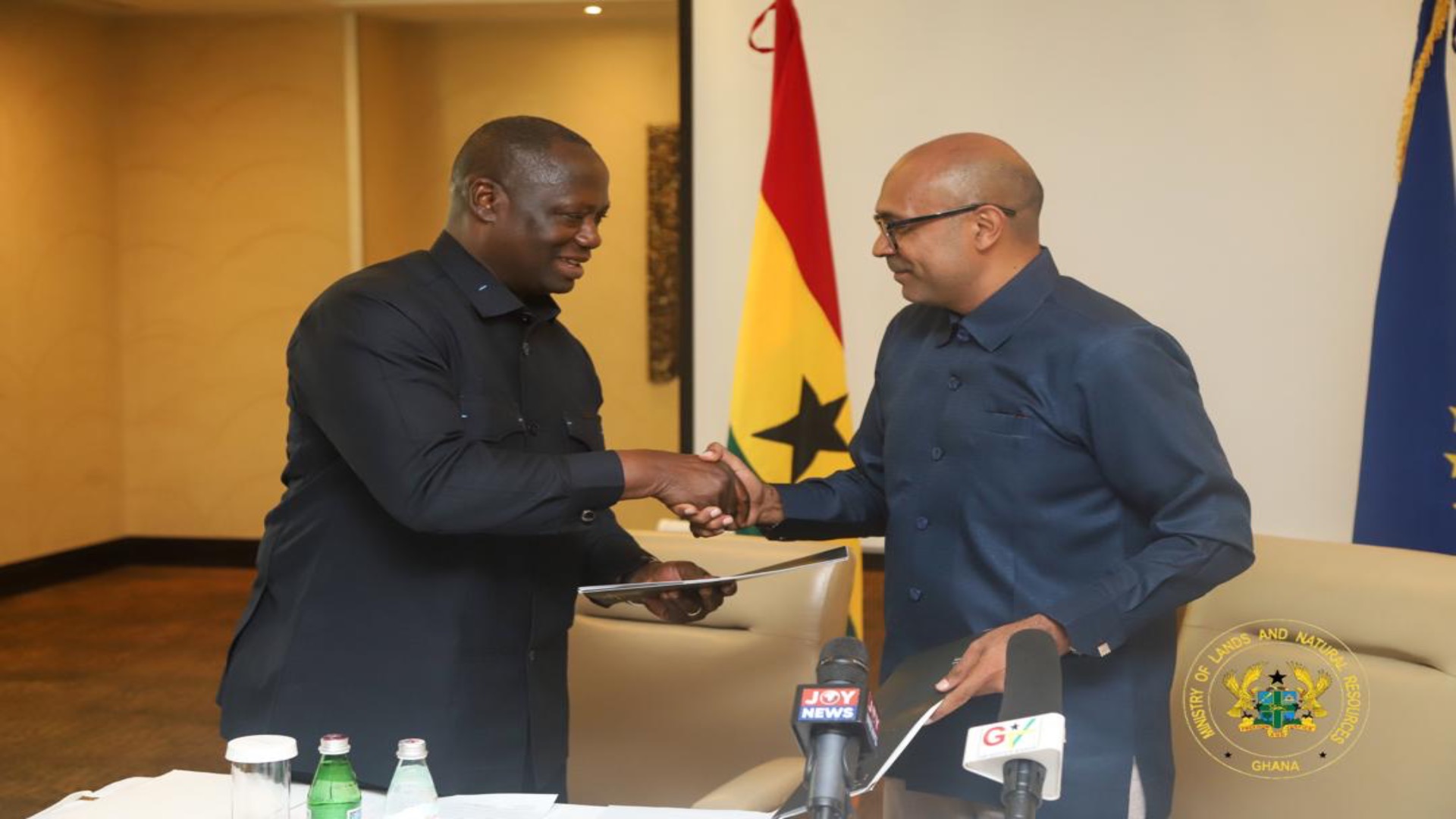
The export of timber from Ghana to the European Union (EU), including key markets like Germany, under the Forest Law Enforcement, Governance and Trade (FLEGT) license marks a monumental achievement and a major turning point in global sustainable forestry.
The Historic Milestone
In August 2025, Ghana officially launched its FLEGT licensing system, becoming the first country in Africa and only the second globally, after Indonesia, to issue these internationally recognized licenses. This milestone is the culmination of a 16-year commitment following the signing of a Voluntary Partnership Agreement (VPA) with the EU in 2009.
The FLEGT license certifies that timber and timber-related products are harvested, processed, and exported in full compliance with Ghana’s national laws and its Timber Legality Assurance System (GhLAS). This system provides a robust mechanism to track wood from the forest to the point of export, ensuring full legality and traceability.
Significance for Ghana
Market Access and Economic Benefits: FLEGT-licensed timber automatically complies with the EU Timber Regulation (EUTR) and is exempted from the due diligence checks required of non-licensed timber. This „green lane“ access guarantees seamless entry into the EU’s market of 450 million consumers, strengthening Ghana’s position as a reliable and ethical trading partner. Initial shipments were directed to countries including Italy, Estonia, and Germany—a historically significant importer of Ghanaian wood.
Strengthening Governance: The process has driven profound reforms in Ghana’s forestry sector, including the revision of forestry laws, the ratification of 131 Timber Utilisation Contracts (TUCs) by Parliament, and enhanced collaboration among government agencies, the private sector, and civil society organizations (CSOs).
Combating Illegal Logging: The rigorous new system is a powerful tool against illegal logging and trade, ensuring that the country’s valuable forest resources are managed sustainably. Government officials have publicly issued warnings to illegal miners and loggers, signaling a zero-tolerance policy backed by the new traceability system.
Significance for the EU and Germany
Pioneering Sustainability: The move reinforces the EU’s commitment to combating global deforestation and illegal logging. By importing FLEGT-certified wood, EU member states, particularly Germany, can confidently source timber that meets the highest environmental and ethical standards.
Preparation for EUDR: The FLEGT license also positions Ghana favorably for future compliance with the stricter EU Deforestation Regulation (EUDR), affirming its status as a „low-risk“ supplier and minimizing bureaucratic hurdles for European importers.